Most people prepare for birth. Far fewer prepare for what comes after. And yet postpartum is where recovery, identity shifts, feeding, sleep disruption, and the new family rhythm all collide at once. The “bounce back” narrative sets women up to feel behind before they’ve even started. Postpartum isn’t a sprint, it’s a recalibration, and the more you plan for support, the smoother the landing tends to be.
Across many cultures, the early weeks after birth are treated as a protected window: slower pace, fewer demands, more care. Modern life often does the opposite. That’s why preparation matters. Not because you can control everything, but because you can build a framework that protects your energy, your body, and your mental health when you’re most vulnerable.
Five things you can do now to set yourself up well
1) Build postpartum protocols before you give birth
Don’t wait until you’re exhausted to figure out who to call and what to do. Clear protocols should cover physical recovery, emotional wellbeing, newborn care, and practical logistics (food, rest, help at home). The goal is to reduce decision fatigue and make support easier to access when your bandwidth is low.
2) Put mental health on the calendar, not on the “maybe later” list
The first weeks can be emotionally intense even when everything is “fine.” Hormonal shifts, sleep fragmentation, and the pressure of responsibility can amplify anxiety, irritability, or low mood. Having a therapist or a mental health professional already lined up isn’t pessimistic, it’s preventive care. It gives you a safe place to process what’s happening and to build coping tools early.
3) Treat nutrition as recovery support, not as a performance
Postpartum nutrition is about replenishment and stability. Think easy, warm, frequent meals that don’t demand effort: soups, stews, broths, grains, legumes, eggs, yoghurt, fruit, nuts, olive oil. If you’re breastfeeding, you’ll likely need more fuel than you expect, and consistent intake can make a real difference in energy and mood. The best plan is the one that’s realistic in your actual day.
4) Get feeding support early, whether you breastfeed or not
Feeding is often portrayed as instinctive, but most families need guidance. A lactation consultant can help with latch, pain, engorgement, supply worries, pumping, and the emotional load that feeding can carry. The value isn’t only “fixing problems.” It’s protecting confidence and preventing small issues from snowballing.
5) Make pelvic floor care part of the plan
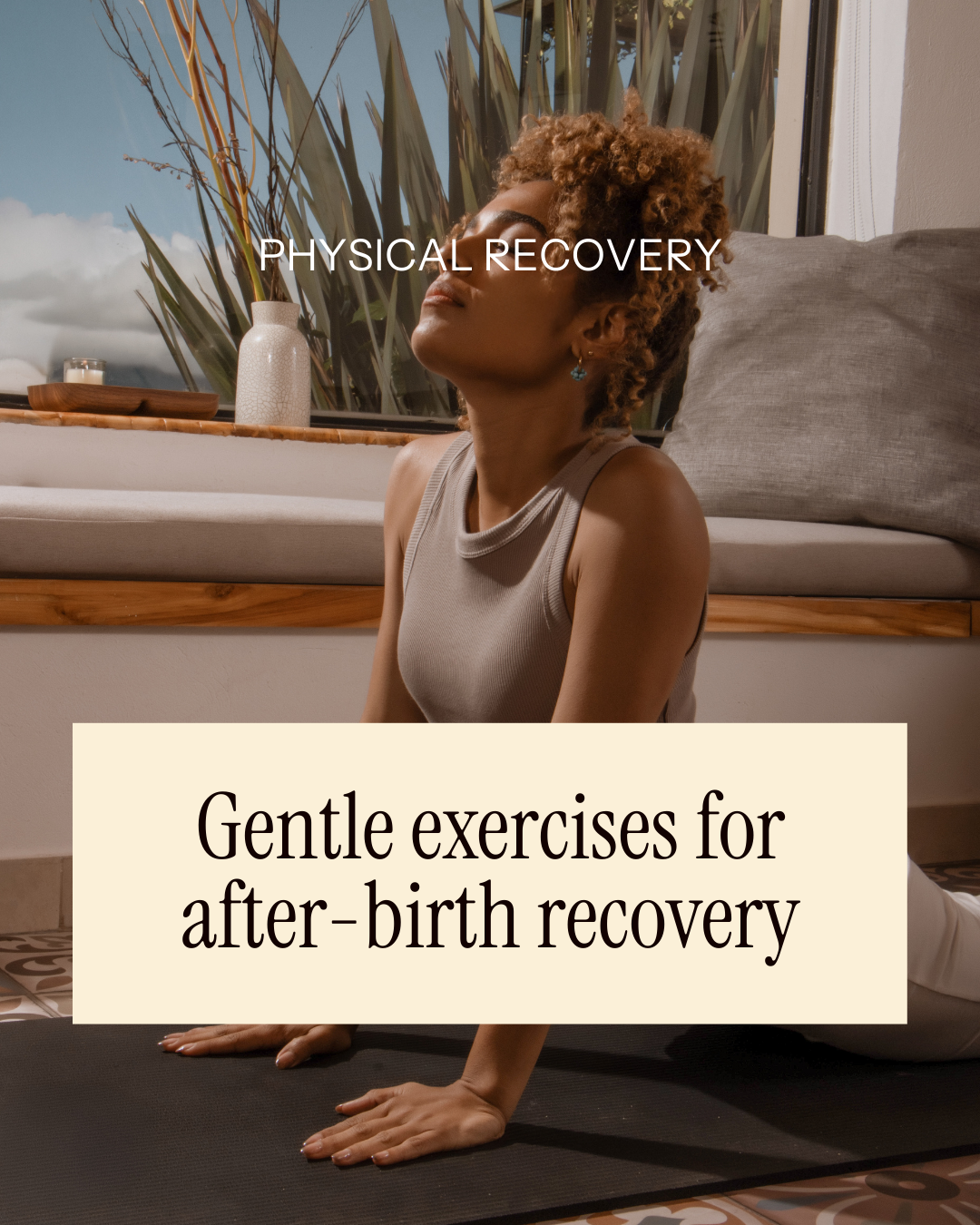
Pregnancy and birth can stress the pelvic floor in ways that show up as heaviness, discomfort, leaking, or pain. Early guidance from a pelvic floor physiotherapist can support healing and help you rebuild function gradually and safely. Simple home practices, like warm perineal soaks when appropriate, can also ease discomfort and support recovery.

.svg)
Preparing for the postpartum period
FOLLOW ME ON MY SOCIALS